

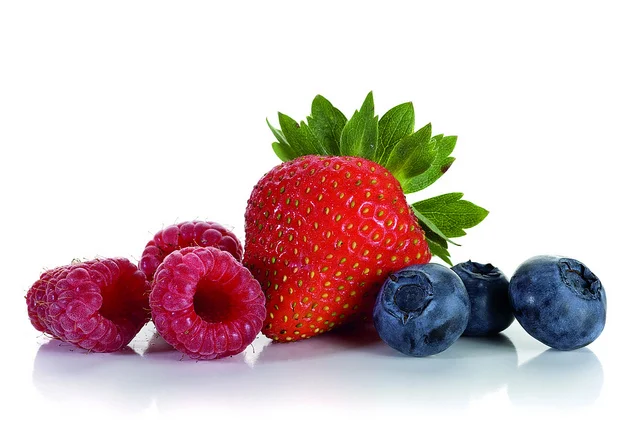
With spring and summer come farmers markets and a wide variety of fruits and vegetables. In the next two months, berries of a ton of different varieties come into season including, strawberries, raspberries, blackberries and blueberries. Well, I say berries but really only one of the berries mentioned is actually a berry. Guess which one? I’ll wait. As the narrator of a blog piece about botanical fruit varieties I have infinite time.
Give up?
Welcome back to Everything You Wanted to Know About Plants. Last time I talked to you about how palms are sneaky devils that trick you with their woody wiles into believing that they are trees like any self-respecting pine, oak or maple
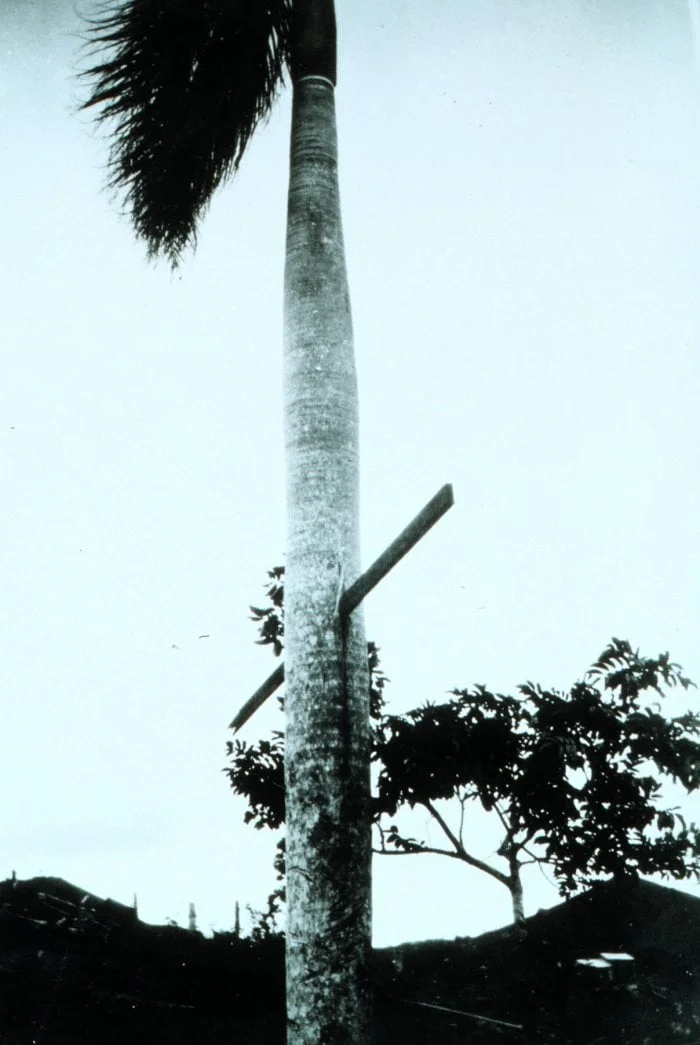
Hello Internet! I’m writing again for all of you curious tree people after the holidays. When last I left, you were in your living rooms examining your Christmas/non-denominational holiday trees as a guide for how tree anatomy works. Toward the end I pulled the rug out from under our tropical and sub-tropical readers when I revealed that palms aren’t actually true trees at all.

So now that we’ve sprinted through approximately 480 million years of evolution, going from Charophyte algae to bryophyte moss to primitive vascular Cooksonia to the first forests it’s time stop, breathe, and look around at the plants in our lives.
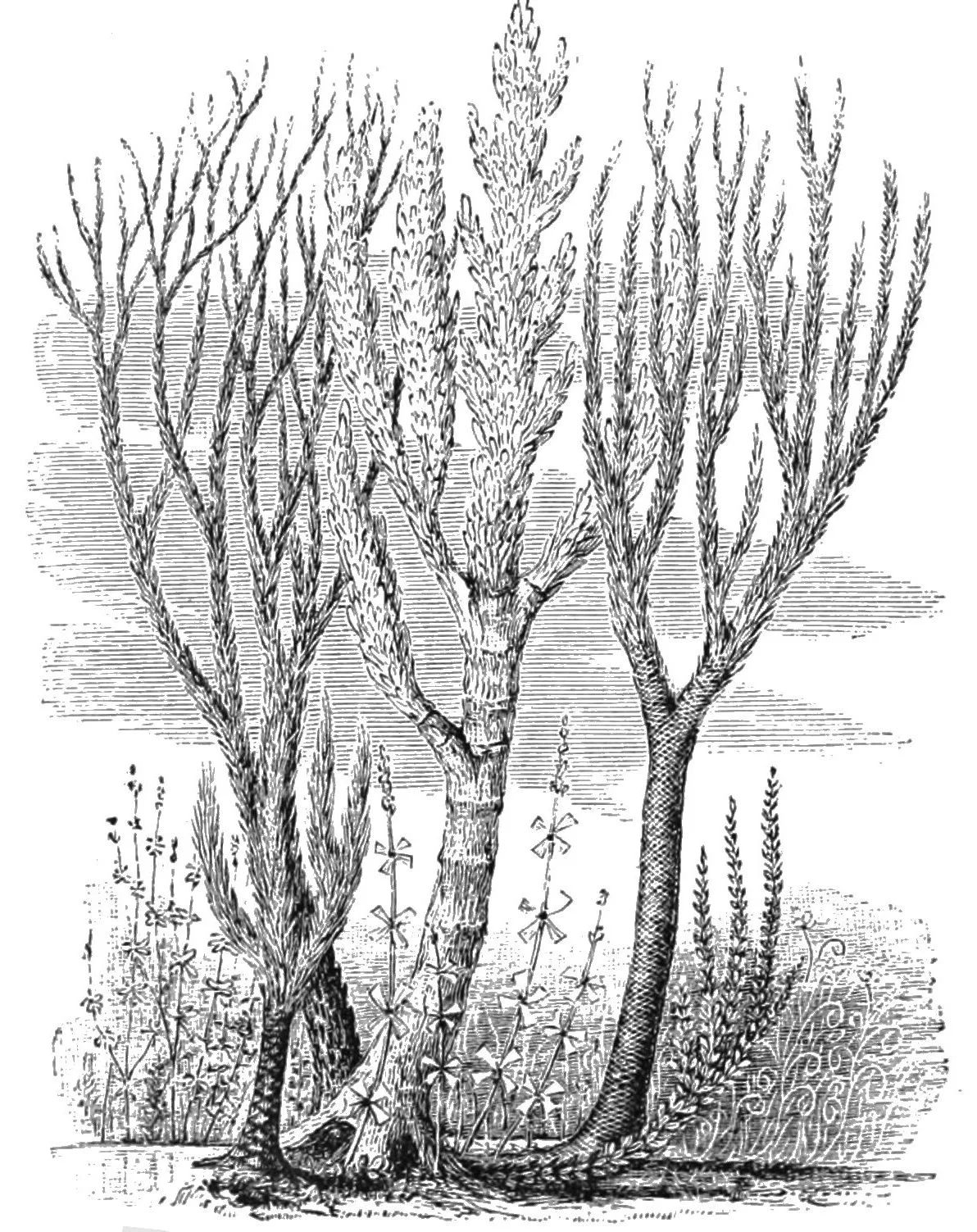
As the Ordovician period progressed the environment changed. Atmospheric CO2 plummeted from 7000 to 4400 ppm and the Earth cools. This may have been partially caused by green, aquatic algae and land plants as they sucked and sequestered atmospheric CO2.

Last week, I introduced the concept that green algae (but not their brown, red and gold counterparts) are actually plants that outnumber the leafy things we're all familiar with. You were probably left wondering how one gets from Ulva and Volvox to a redwood. As it turns out differences between land plants and green algae have everything to do with the different environmental challenges they face.
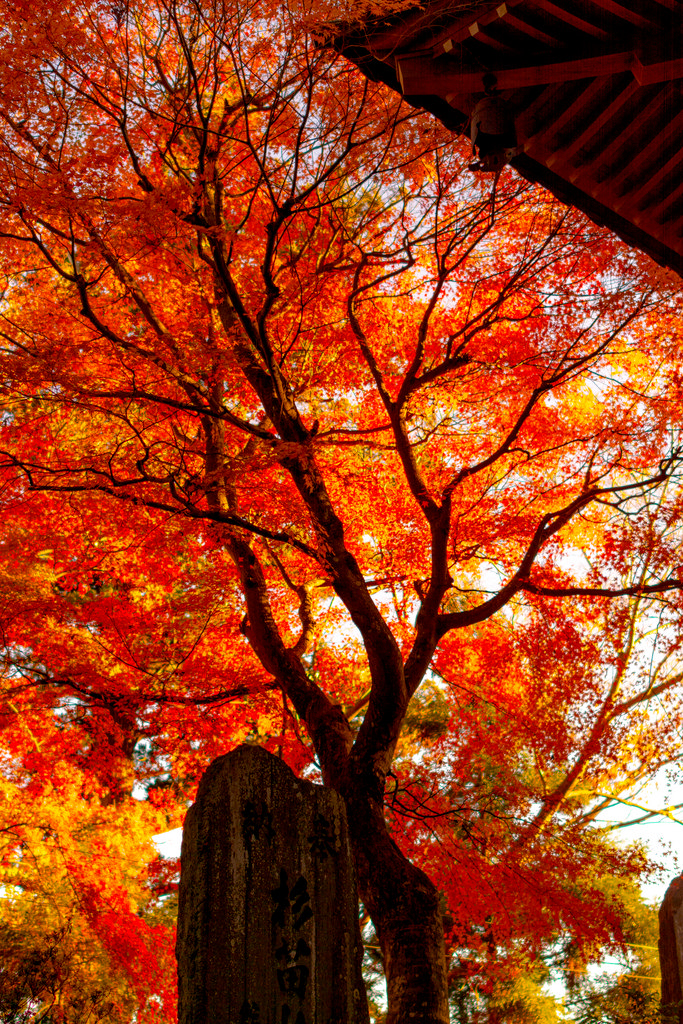


Incidentally, the Silicon Valley has seen some pretty significant storms (flawless segue). We’ve been flooded with calls about downed trees, bent trees and broken support stakes. Our inboxes doth overflow with cries for help from concerned residents. With this in mind here’s what you need to know to manage tree risk.
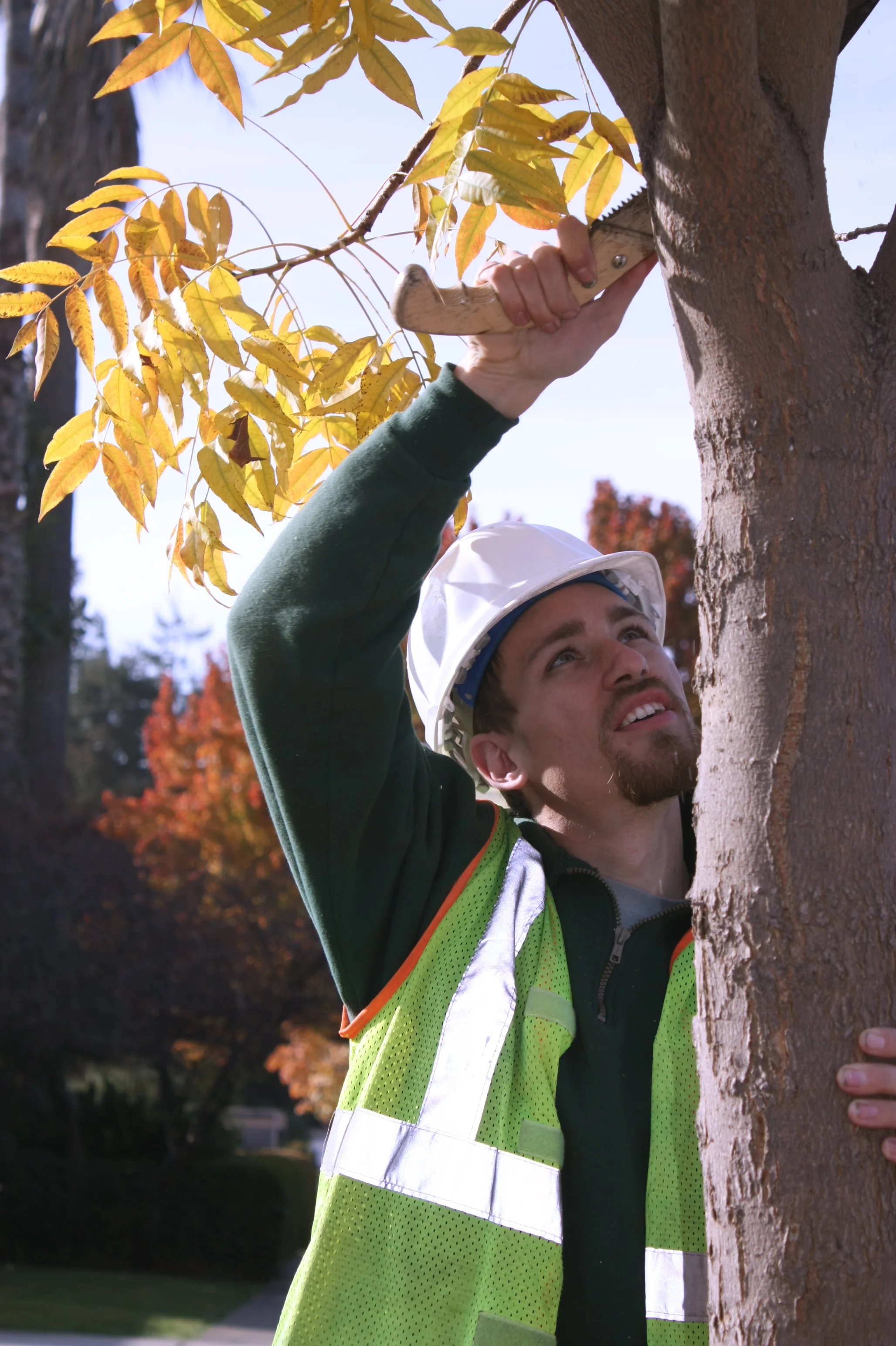
Hello internet! We’re taking a breather from botany this week and focusing on the practical. Today is January 29, 2016 and I bet you know what that means. No, not National Corn Chip Day, this blog is proudly independent of the corn chip cartels that seek to dominate this great nation. No, right now we’re at the height of the tree pruning season!
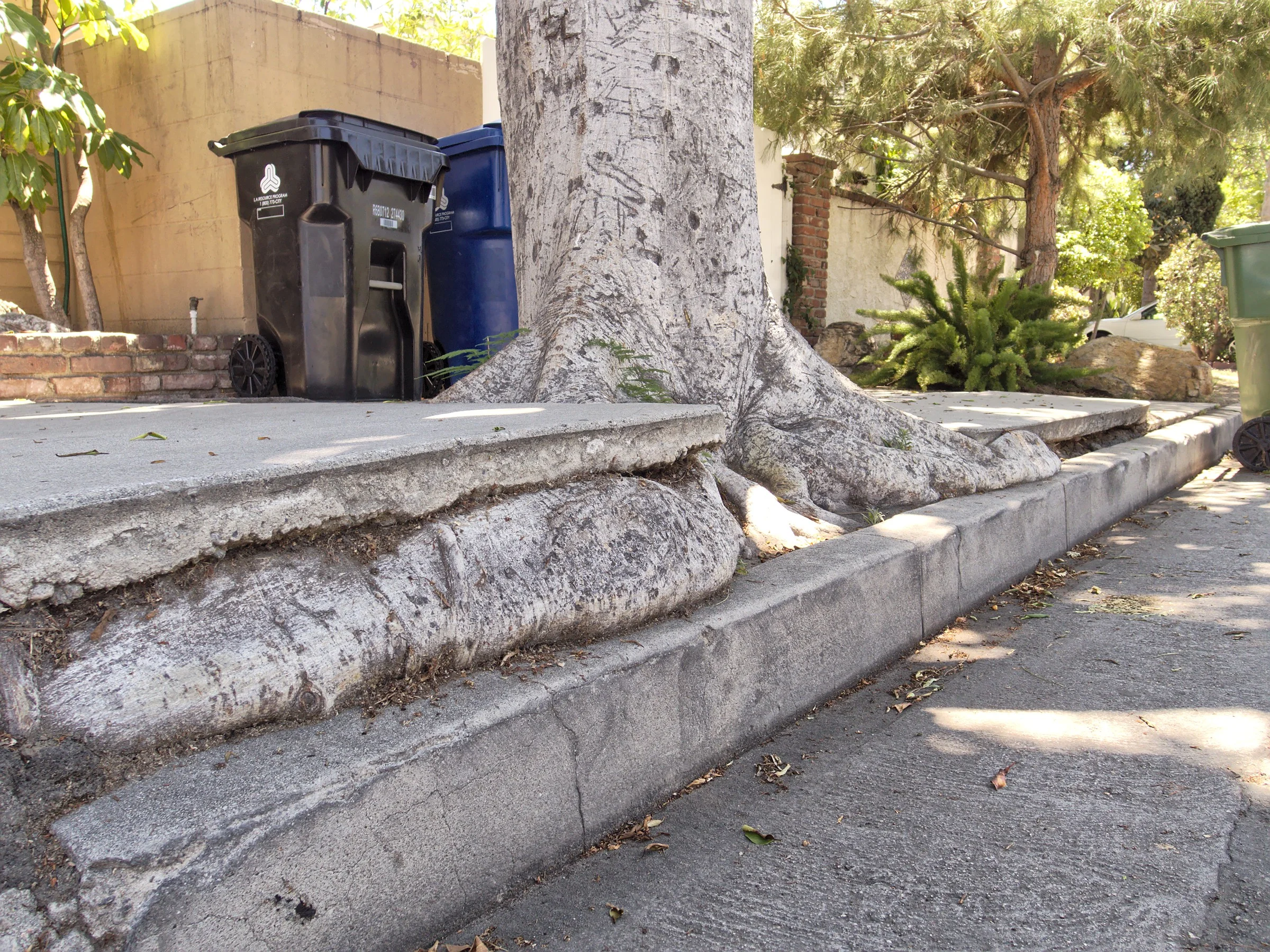
You know that tree on the street between the paved road and the sidewalk? That’s a street tree. Street trees are beautiful, boost property values and make neighborhoods more attractive. I mean, who likes endless concrete?
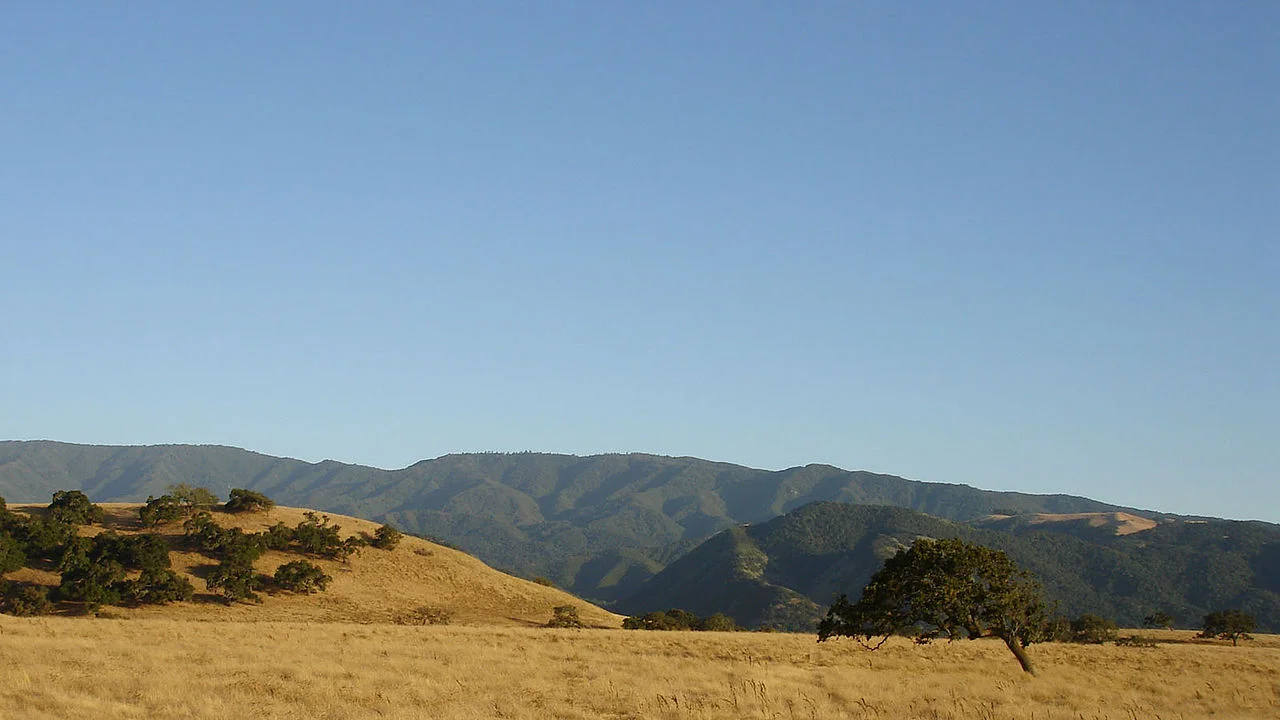
When we talk to people about plants, they often use “drought tolerant” and “native” interchangeably. (Sometimes we do it too) So why differentiate between them? Isn't drought tolerant enough? Everybody understands the “drought tolerant” part but what’s often overlooked is “native”.
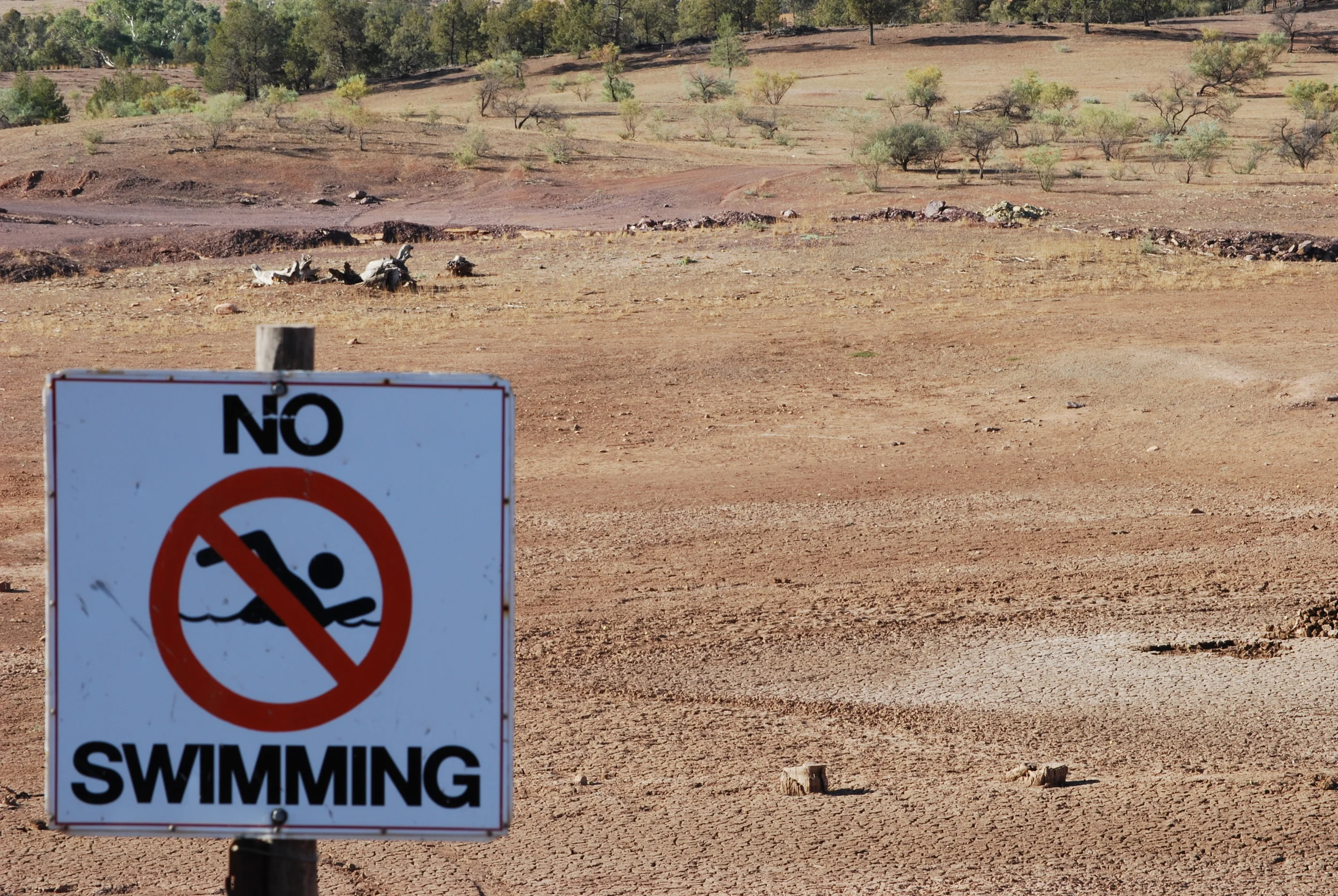
We here at Our City Forest love talking to local residents, neighbors and random passers-by when we’re serving the communities of the Silicon Valley. We get asked a lot of questions about who we are and what we do. In general these interactions are friendly but sometimes, when the hoses are running and the water buckets are filling we get asked:
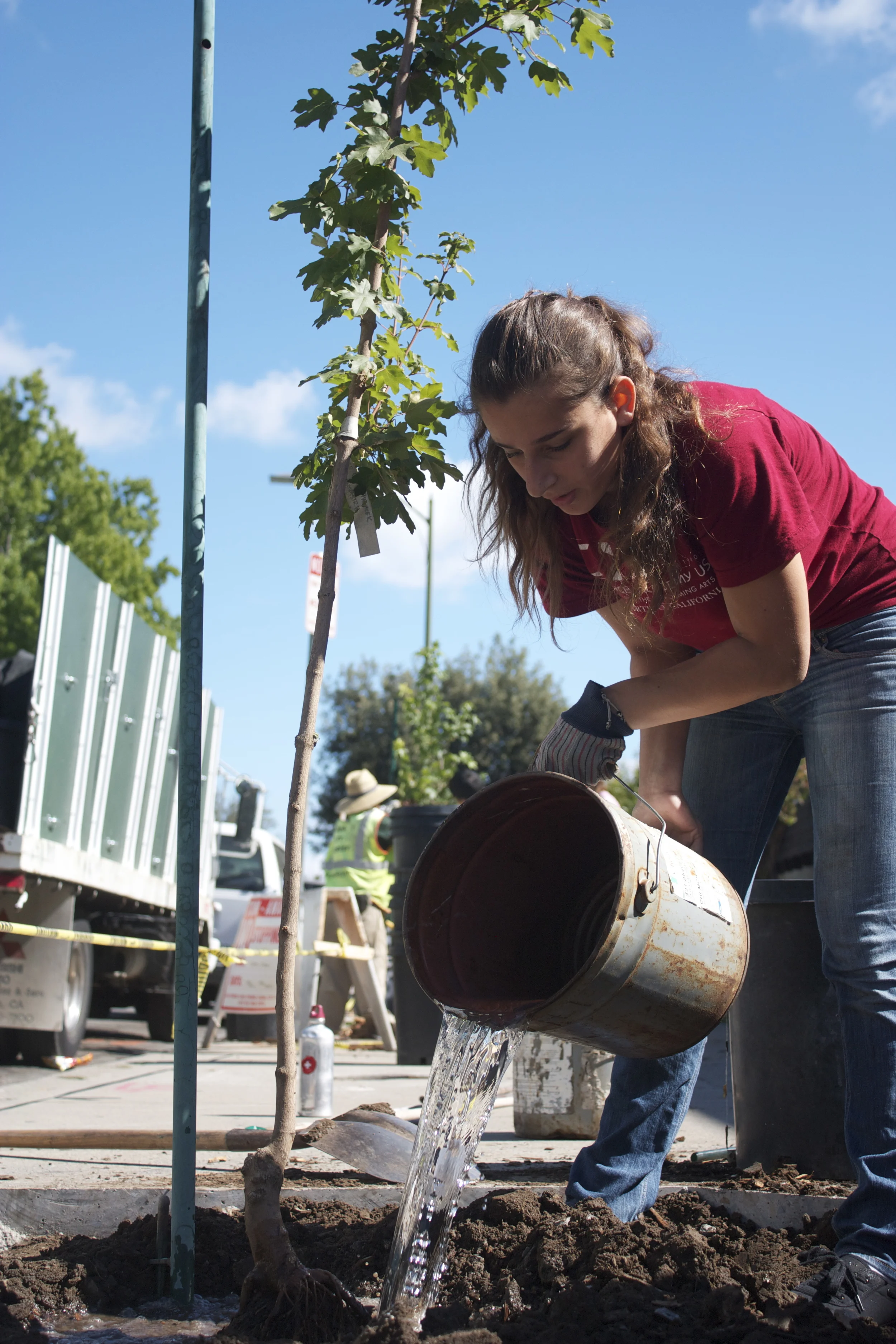
Why our forest friends deserve the little water we’ve got.
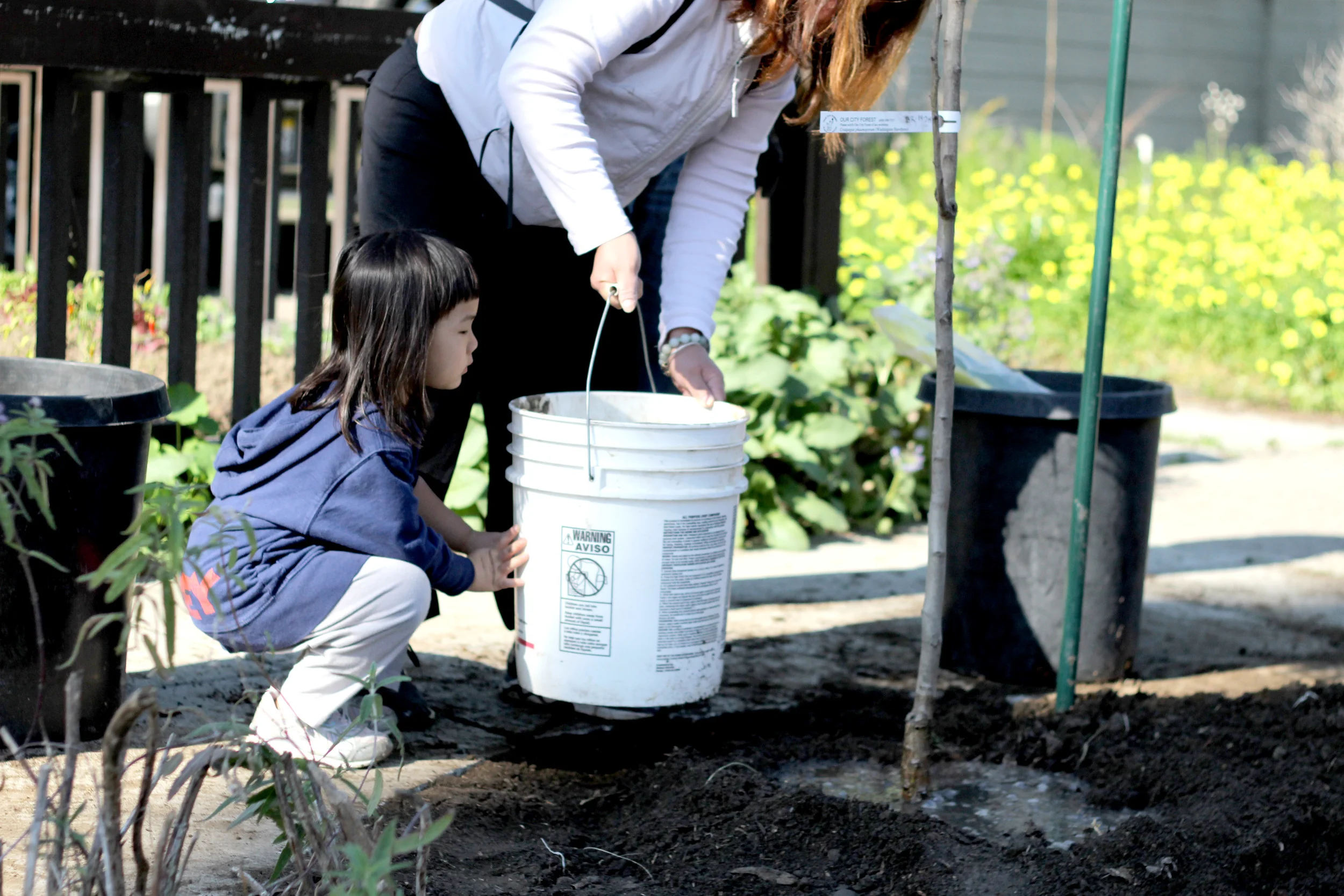
Although we may be in a drought, the importance of watering your tree properly will shape our urban forest for years to come. It is important to be diligent about regular watering, especially in the first year. Here are some tips.