Rooted in California: TransPak, One Tree Planted, and Our City Forest Celebrate National Love a Tree Day

Comment

Rooted in California: TransPak, One Tree Planted, and Our City Forest Celebrate National Love a Tree Day

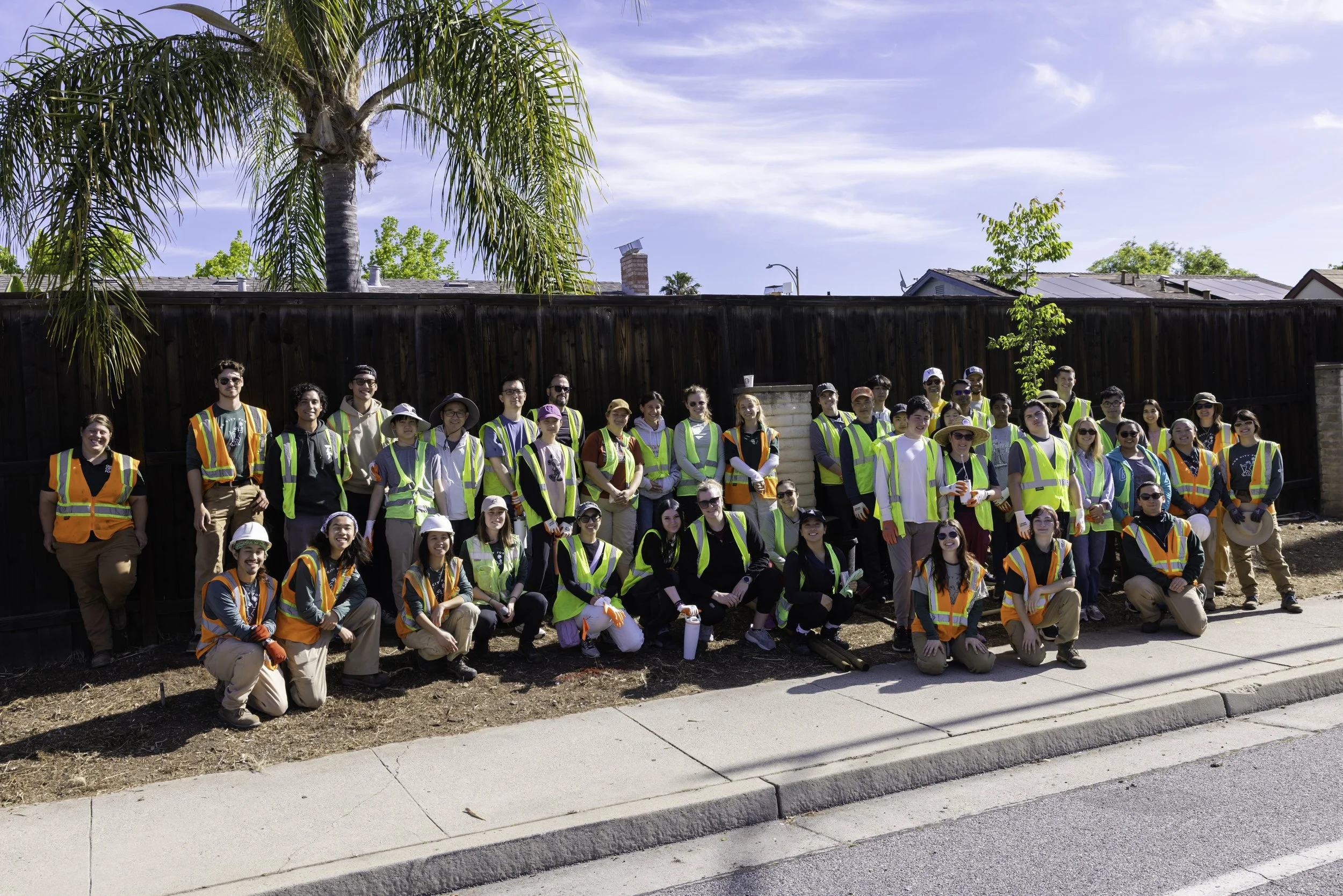
This National Love a Tree Day, Our City Forest joined community members, students, and volunteers at Ocala STEAM Academy in East San José to plant trees, strengthen neighborhood green spaces, and celebrate!

The community planting was organized by Our City Forest in partnership with TransPak and One Tree Planted,

“Planting trees is a wise investment in creating healthier school campuses for children because trees help clean the air they breathe and protect them from skin cancer,” said Rhonda Berry, Founding President & CEO of Our City Forest. “Our City Forest partners for this project include TransPak, One Tree Planted, Ocala STEAM Academy, and our many dedicated volunteers, all coming together to make a difference.”

The event also celebrated a major milestone in wildfire recovery and reforestation efforts throughout Northern California. In late 2025, TransPak contributed $500,000 through One Tree Planted to help restore wildfire-impacted forests across Lassen, Plumas, Butte, and surrounding counties. The effort supported the planting of 400,000 climate-resilient native trees across nearly 2,900 acres of forestland.

The restoration project included native species such as Ponderosa pine, Douglas-fir, White fir, and Sugar pine, carefully selected for their resilience in California’s changing climate. Beyond restoring forest canopy, the project also helped support local forestry jobs, improve habitat for threatened wildlife species, and contribute to long-term carbon sequestration goals.

“Achieving sustainability is about more than corporate goals,” said Bert Inch, CEO of TransPak. “It’s about leaving a better planet for our children and grandchildren. We are committed to doing just that.”

Volunteers at Ocala STEAM Academy spent the morning digging planting holes, mulching, staking trees, and learning about the long-term benefits urban forests provide.
Comment

Comment

Let’s Make Lawns Lawn-Gone: Insight on Lawn Alternatives For A Brighter Future

California, a state with many diverse ecosystems and national parks, also has many lawns. In the United States, citizens have traditionally embraced lush green lawns in the newly built world of suburbia. Nowadays, the idealistic image of the grassy front lawns often give way to overgrown, neglected, or concrete eyesores. Today, we’ll explore the environmental and financial cost of the remaining lawns in America as well as alternatives that’ll promote a greener, more sustainable future than what was previously promised.

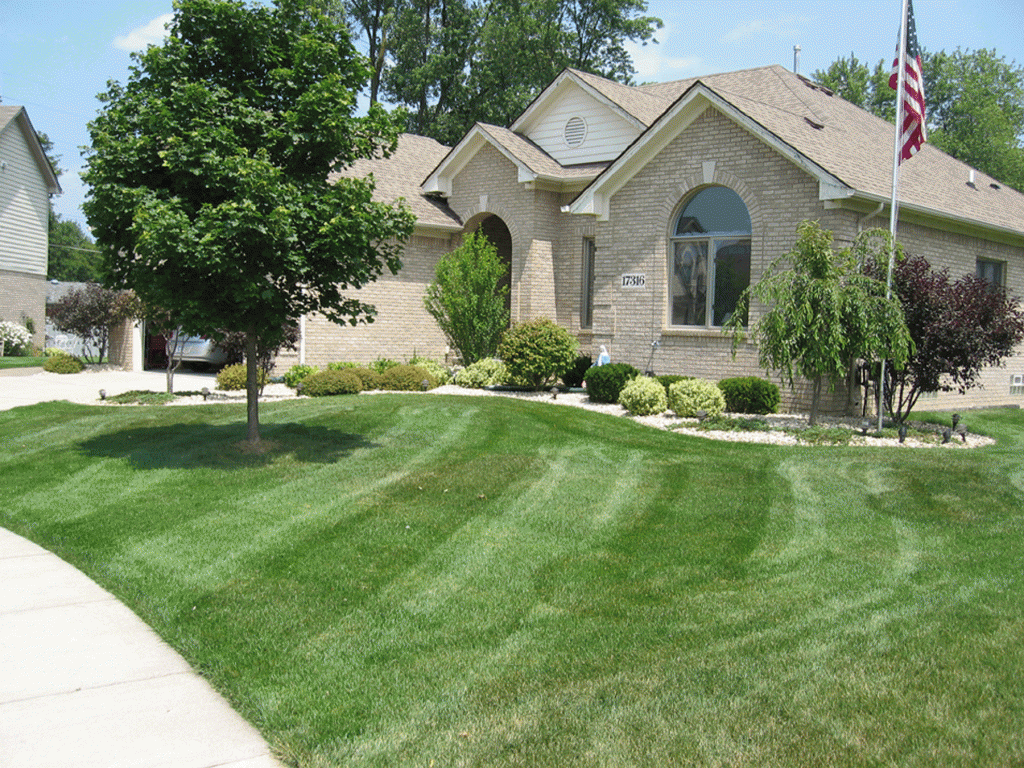
A traditional lawn in American suburbia. Image credit: RS Lawn Care & Landscaping (Source)

Going Forward: Primary vs. Secondary Sources

When referring to emissions, there are two types of sources, primary and secondary. The use of cars is an example of a primary source, as they directly contribute emissions through their use and functionality. It’s through the production of a thing — the material and energy resources — that creates a secondary source emissions. The technology I’m using to create this blog is an example of a secondary source, meaning that emissions were released in the making of these words. No need to write this down, I’m not going to test you later, but you have a better idea of the difference between sources of emissions!

Lawns are dynamic in how they contribute greenhouse gas emissions, depending on what aspects someone focuses on. Let’s take a moment to use our newfound knowledge of sources of emissions. Would fertilizers used in lawns be a primary or secondary source? What about decomposing lawns? The fertilizers used to maintain the health of traditional lawns are a secondary source, as producing chemical fertilizers takes lots of energy and releases lots of greenhouse gasses. Decomposing lawns directly release carbon dioxide and methane, making it a primary source of emissions.

The Cost of Lawns

Not only do lawns contribute to greenhouse gas emissions, but they’re also expensive to maintain and use water inefficiently.

Lawns require significant maintenance, often in the forms of watering or mowing. While electric mower options are out there, I’d imagine people hold the idea that “if it ain’t broke, don’t fix it” when they have a gas-powered mower on hand. Compared to running a modern car, motorized mowers can contribute up to 11 times more emissions than running a modern car!

When it comes to finances, a lawn is can reveal itself in your water bill. Traditional lawns using natural grass require about 1 to 1.5 inches of water a week. If it’s not raining at least once a week, that water has to come from somewhere and that somewhere is not free. Landscape irrigation nationwide uses an estimate 9 billion gallons of water each year nationwide, but half of the water used for household irrigation is lost to evaporation, wind, and runoff. That’s billions of gallons of water, literally gone to the wind! This unoptimized water use not only raises the water bill each month, but also stresses the water supply in dry environments like the Silicon Valley.

While lawns can also sequester carbon, it’s important to consider that the carbon emitted from maintaining lawns is nearly 4 times greater than the carbon being absorbed from it. Overall, lawns are carbon-negative and should not be considered an optimal use of green space.

The False Promise of Artificial Grass

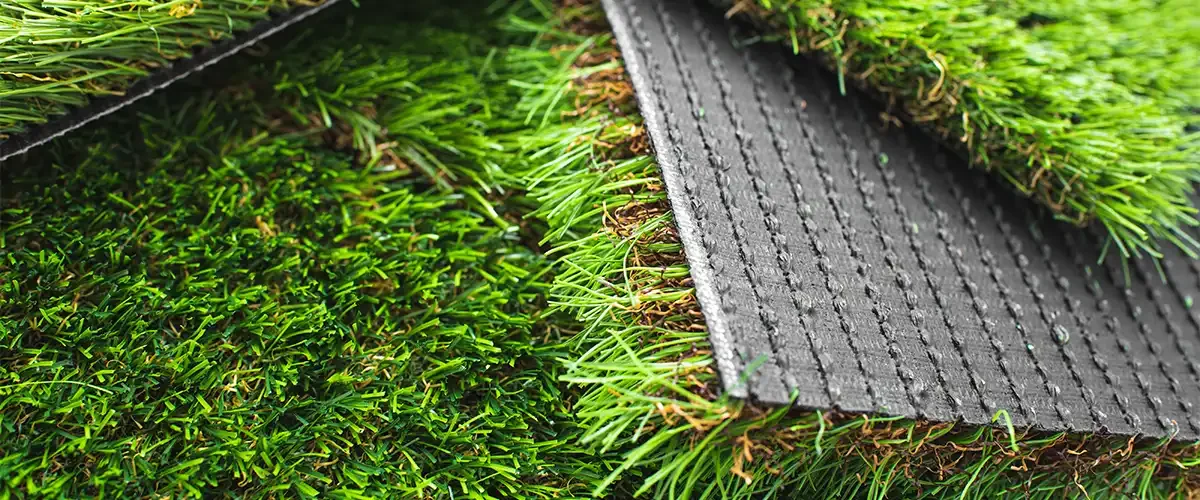
Yes, there is a utopia that is ever-green and requires minimal maintenance called turf or artificial grass. But did you know that utopia ironically means no place? It’s accurate to the false promise of artificial grass. While they do remain green and require little maintenance, their environmental harms aren’t so far from traditional lawns.

Artificial turf can seem like a tempting replacement to the traditional lawn, but are often just as harmful to the environment. Image credit: American Greens (Source)

Just like under-maintained traditional lawns, artificial ones also deteriorate over time under natural conditions. Because of their plastic nature, they release potent substances like methane, more than 28 times more potent than carbon dioxide in trapping heat in the atmosphere. The initial creation of the plastics can strengthen your newfound understanding of emission sources — their production is an example of secondary emissions. Lastly, artificial grass may need to be replaced, with the old turf ending up in landfills allowing them to release methane and other harmful substances into the atmosphere or polluting other environments.

On A Greener Note

While it may be intimidating and labor inducing to transform a lawn, it saves money, time, and the world once completed! So, if you’re considering taking the first step, bring a friend or the whole family in this adventure that’ll save a lifetime. Here are some ideas to start brainstorming the ideal project!

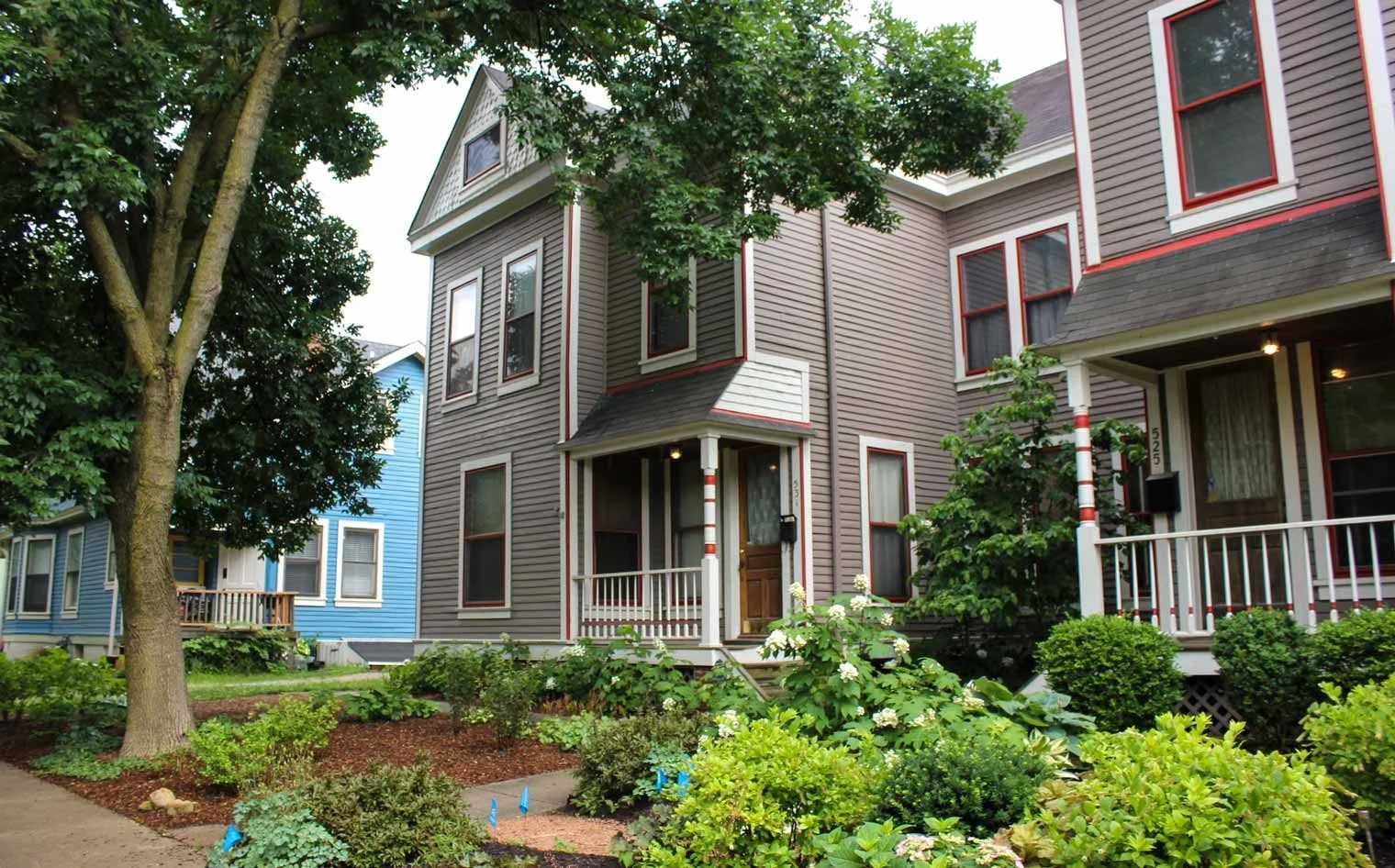
An example of a converted lawn. Image credit: Spotts Garden Service (Source)

Drought-Tolerant Plants (Calwildgardens)

Here in a California, there are more than 20,000 native plant options to choose from!

To start, there are native wildflowers! These are often dormant during the summer and bloom in the spring creating a dynamic spin. However, there are ways to avoid a barren front yard by choosing native wildflowers that bloom at different times of the year! Some suggestions to look at would be Purple Sage (Salvia leucophylla, Salvia clevelandii), Monkey flower (Mimulus auranticus), or Yarrow (Achillea)!

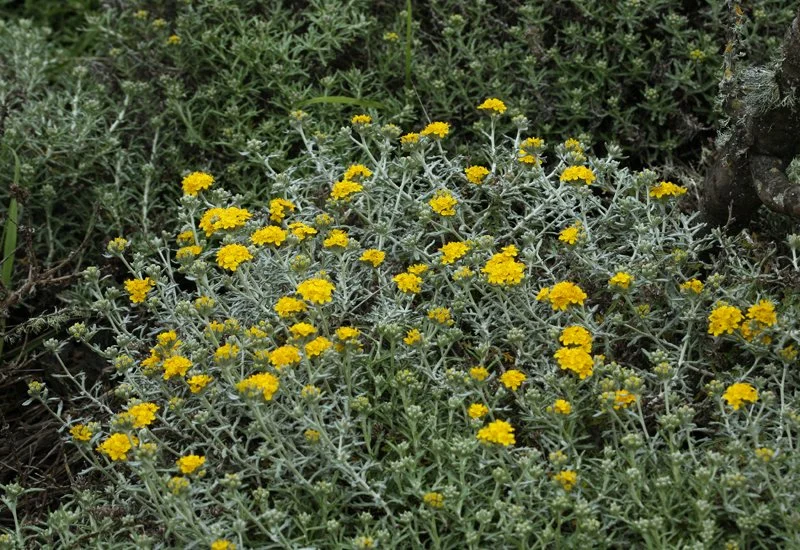
Native Golden Yarrow (Eriophyllum confertiflorum). Image credit: CalScapes (Source)

Then, there are groundcover plants. They are the closest in appearance to traditional lawns and  happen to be the cheapest! They can also be used to hide slopes or fill open spaces. However, they are not walkable. Some suggestions would be Huntington Carpet, Yankee Point, California Fuschia (Epilobum), and Yerba Buena (Clinopodium douglasii).

Next, are cactus and succulents that are exceptional in dry conditions! It’s considered best to plant them before winter as the water stored through the winter rain will help them survive the dry season. Some suggestions are the Desert Spoon (Dasylirion), Thornless Prickly Pear (Opuntia), and Aloe Vera!

Lastly are low-water Mediterranean plants! These are great for creating an almost living garden look as it promotes pollinators similar to wildflowers. Some suggestions are Boule, Goodwin creek, and Mexican Bush Sage (Salvia leucantha).

Native Grasses and Walkable Groundcover

If someone desires a more walkable alternative here are some ideas to get started:

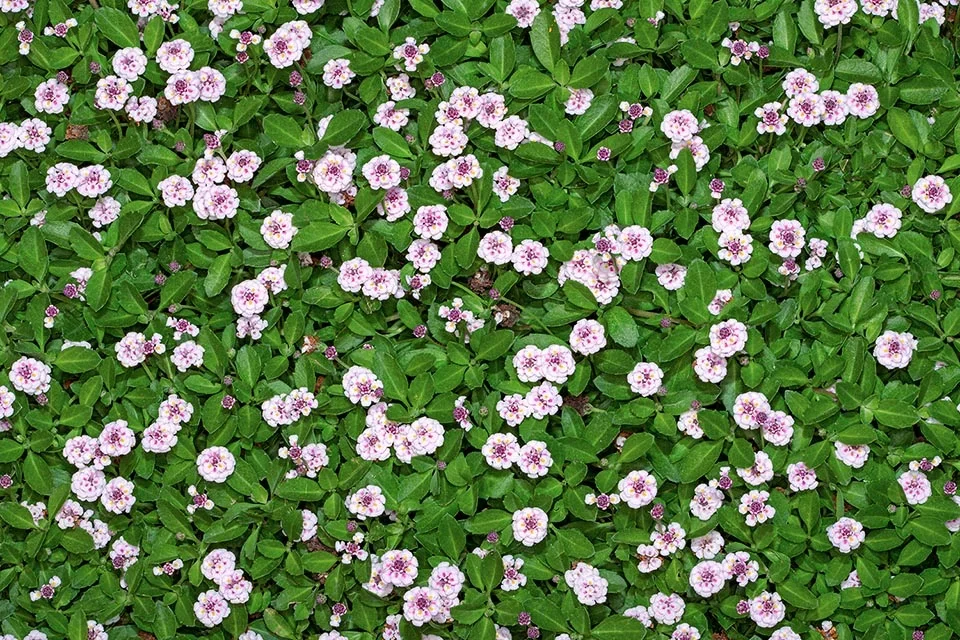
Image credit: Monaco Nature Encyclopedia (Source)

California Frogfruit (Phyla nodiflora) is a low-growing succulent groundcover that is optional to mow, pollinator-friendly, and incredibly drought-tolerant. It’s also dog friendly!

Image credit: Grassland Growers (Source)

If you’re familiar with conventional sod, where grass is rooted to pre-existing soil that is then commonly layered over a pre-existing lawn, Native Bentgrass (Agrostis pallens) is a similar option. Compared to conventional sod, Bentgrass requires half the water needed to maintain it!

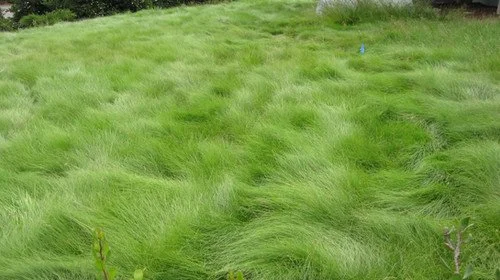
Image credit: Joe Gardener (Source)

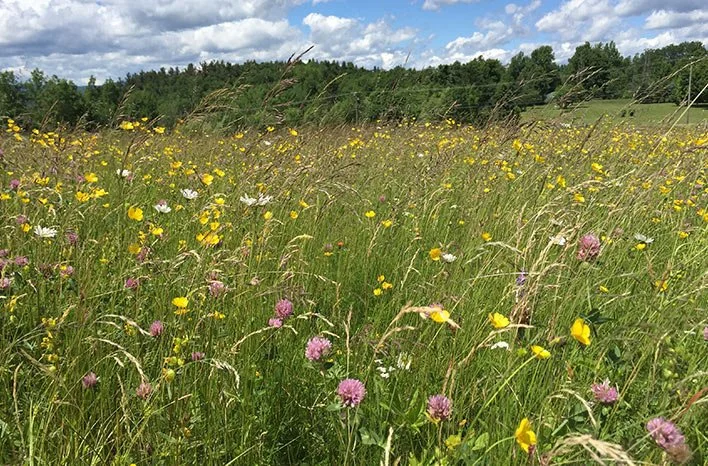
Meadow grasses create tall, soft barriers within the landscape and are especially beautiful when blended with previously mentioned species!

Water-wise Hardscaping

This landscaping route is best paired with previously mentioned options. Water-wise hardscaping, if not paired with shade either artificially or naturally will contribute to urban heating, or the absorption of heat.

Gravel: These create exceptional paths to allow neighbors to witness and maneuver a beautiful front yard.

Permeable Pavers: These are replacing driveways or walkways to increase water infiltration. These can be paved stones or dull rocks, they are suggested to be 3 inches apart with the spaces in between to be filled with gravel or mulch.

Stepstones & Groundcover: These would come in the form of Loose Flagstones, which are very thin compared to larger rocks. They should be spread at least 4 inches apart with the gaps being filled with groundcover plants like the California Frogfruit as we mentioned before.

Comment

Bare Roots General FAQ

Comment

Bare Roots General FAQ

What is Bare Roots and why should I volunteer for this?

  • Our City Forest receives a large shipment of bare root trees around early February/ March each year. This amount can range anywhere from 1200-1800+ trees depending on the current inventory and future demand for trees.

  • These trees are essential for our projects and residents who need a tree.

What happens before and during the event?

  • "Treench" Preparation:

    • We create multiple long trenches of soil amendment to temporarily store the bare root trees a few weeks ahead of the delivery date.

  • Tools and Materials Preparation:

    • Old pots are scrubbed and stakes are sanitized ahead of time.

    • We use soil that are either premixed by a vendor or hand-mixed on site.

  • Tree Arrival & Processing:

    • Incoming trees are unloaded and inspected on arrival. They would arrive in bundles of 5-10 or in a VigorLiner®.

    • Trees are then sorted and tagged by their species.

    • Bundles of trees are immediately placed in the "treench" to protect their roots from drying out while VigorLiner® trees are placed on pallets to be grouped by species.

Trees arrived in a VigorLiner®

Trees arrived in bundles

Trees are root pruned to avoid root-girdling

  • Tree Care:

    • Trees are pruned and checked for health and structure.

    • Regular watering of the treench during this process is a must.

  • Transplanting

    • When ready, trees are removed from the "treench," to be once again inspected for quality and receive any necessary root pruning.

    • Trees is now ready to be transplanted into 15-gallons pots!

  • Quality Control

    • Trees passing quality checks will be thoroughly watered and then moved into their designated rows.

  • Quality Control

    • Trees passing quality checks will be staked, leader tied and thoroughly watered before they are moved into their designated rows.

Why is Bare Roots important?

  • Provides a significant number of trees that Our City Forest uses for the following planting seasons.

  • Offers valuable hands-on experience for volunteers and Sillicon Valley Climate Corps members.

How can I get involved?

  • Volunteer: We welcome volunteers to assist with various tasks before, and during Bare Roots such as trench and materials preparation, tree transplants, and tree moves.

  • Donations: Your financial support helps us continue doing our work. Thank you for your support!

  • For more information or to volunteer, please visit ourcityforest.eventbrite.com or email volunteer@ourcityforest.org

Comment